


Why Apartments in Emerging Cities Deliver Higher Real Estate ROI
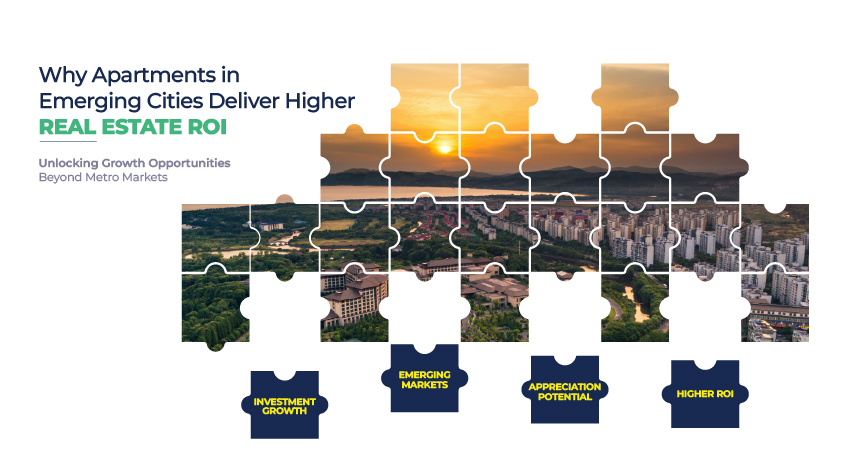
In real estate investing, timing and location often determine the difference between average returns and exceptional wealth creation. While established metropolitan markets continue to attract buyers, a growing number of investors are shifting their focus toward emerging cities that offer stronger growth potential at comparatively affordable entry points.
Across India, cities such as Pune, PCMC, Nagpur, Ahmedabad, Indore, Coimbatore, and Lucknow are witnessing rapid economic expansion, infrastructure development, and rising housing demand. These factors are creating attractive real estate investment opportunities for buyers seeking long-term gains.
For investors evaluating apartment investment opportunities, emerging cities present a compelling combination of affordability, rental demand, and future property appreciation. Understanding the drivers behind this growth can help investors identify markets with the potential to deliver higher real estate ROI over time.
Understanding Real Estate ROI
What Is Real Estate ROI?
Real Estate Return on Investment (ROI) refers to the financial gains generated from a property relative to the amount invested. It helps investors evaluate how effectively a property contributes to wealth creation.
ROI in real estate generally comes from two primary sources:
- Capital Appreciation: The increase in a property’s value over time.
- Rental Income: Regular earnings generated by leasing the property to tenants.
Successful investors assess both components when evaluating an investment. While rental income provides cash flow and income stability, property appreciation contributes to long-term wealth accumulation. A balanced approach allows investors to maximise returns while reducing investment risks.
Why Emerging Cities Are Attracting Investors
Rapid Urbanisation and Population Growth
India’s urban population continues to expand as people migrate to cities in search of employment, education, and better lifestyles. Emerging cities are becoming key destinations for this growth, driving demand for residential housing.
Expanding Employment Hubs
The rise of IT parks, industrial corridors, manufacturing zones, and business districts has transformed many Tier 2 and developing urban centres into economic growth engines. Companies are increasingly expanding operations beyond traditional metros to access talent and reduce operational costs.
Infrastructure Investments
Government-backed infrastructure projects are reshaping emerging real estate hotspots across the country. Improved connectivity often acts as a catalyst for property appreciation and investment activity.
Growing Housing Demand
As employment opportunities increase, demand for apartments rises among working professionals, families, and students. This supports both capital growth and rental demand.
Affordable Property Prices
Compared to mature metropolitan markets, emerging cities typically offer lower acquisition costs. Investors can enter the market earlier and benefit from future growth cycles, creating stronger upside potential.
Examples of high ROI real estate markets frequently attracting investor attention include Pune, PCMC, Nagpur, Ahmedabad, Indore, Coimbatore, Lucknow, and several rapidly developing regional centres.
Key Factors Driving Higher Property Appreciation
Infrastructure Development
Infrastructure-led growth remains one of the strongest drivers of real estate value creation.
Metro Rail Projects
New metro networks improve accessibility, reduce commuting times, and increase demand for residential developments located near transit corridors.
Expressways and Highways
Major road infrastructure projects improve connectivity between cities and economic zones, making surrounding areas more attractive for residential investment.
Airport Expansion
Airport upgrades and new aviation hubs stimulate commercial activity and increase the appeal of nearby residential markets.
Smart City Initiatives
Urban modernization programmes often lead to improvements in utilities, transportation, public spaces, and digital infrastructure, contributing to long-term property appreciation.
Employment Growth
New Business Parks
The establishment of corporate campuses and technology parks generates demand for housing among employees seeking convenient living options.
Corporate Expansion
As businesses expand into emerging markets, residential demand typically follows, supporting both sales and rental activity.
Startup Ecosystem Growth
Many developing cities are nurturing startup ecosystems that attract skilled professionals and entrepreneurs, creating sustained housing demand.
Social Infrastructure Development
Modern homebuyers increasingly prioritise convenience and quality of life.
Educational Institutions
Schools, universities, and training centres attract families and student populations to developing neighbourhoods.
Healthcare Facilities
Access to quality healthcare enhances the livability and long-term appeal of residential locations.
Retail and Entertainment
Shopping centres, restaurants, and recreational facilities contribute to stronger residential demand and neighbourhood growth.
Early-Stage Pricing Advantage
One of the most significant benefits of investing in emerging markets is the opportunity to purchase before prices fully reflect future development potential. Investors who enter during the early growth phase often experience stronger appreciation as infrastructure and demand mature.
Rental Demand and Income Potential
Rental income plays a critical role in overall real estate ROI. Emerging cities are increasingly becoming attractive rental yield opportunities due to evolving employment and education ecosystems.
Growing Workforce Migration
New industries and business districts attract professionals relocating from other cities. This creates sustained demand for rental housing, particularly apartments located near employment centres.
Demand from Students and Young Professionals
Cities with universities, colleges, and technology hubs often experience consistent rental demand from students and early-career professionals.
Stronger Rental Growth in Developing Corridors
As infrastructure improves and population density increases, rental values in developing areas frequently rise, contributing to improved cash flow for property owners.
Apartments as Rental Income Properties
Apartments remain one of the most practical asset classes for generating rental income due to their affordability, lower maintenance requirements, and broad tenant appeal.
A combination of rental earnings and property appreciation can significantly enhance long-term investment performance.
Emerging Cities vs Mature Markets: ROI Comparison
| Factor | Emerging Cities | Mature Markets |
|---|---|---|
| Entry Price | Lower | Higher |
| Appreciation Potential | High | Moderate |
| Rental Growth | Growing | Stable |
| Investment Opportunity | Early Stage | Established |
| Future Upside | Significant | Limited |
While mature markets offer stability and established demand, emerging cities often provide greater opportunities for long-term value creation. Lower entry costs combined with future development prospects can produce stronger overall returns for investors willing to adopt a longer investment horizon.
How to Identify High-Growth Investment Locations
Choosing the right location is critical for maximising returns. Investors should evaluate the following indicators:
Upcoming Infrastructure Projects
Monitor planned metro lines, highways, airports, and public infrastructure investments.
Employment Corridors
Look for areas experiencing business expansion, industrial growth, and corporate investment.
Urban Development Plans
Review government development initiatives and zoning plans that may influence future growth.
Population Growth Trends
Rising population levels often signal increasing housing demand and future appreciation potential.
Rental Demand Indicators
Strong occupancy rates and increasing rental values suggest healthy investment fundamentals.
Developer Activity
Growing interest from reputed developers can indicate confidence in a market’s long-term prospects.
Investment Tips for Maximizing ROI
Invest Early
Entering a developing micro-market before major infrastructure projects are completed can improve appreciation potential.
Choose Reputed Developers
Established developers often deliver better construction quality, timely completion, and stronger resale value.
Focus on Connectivity
Properties near transport networks, employment hubs, and essential services typically perform better over time.
Balance Yield and Appreciation
Consider both rental income and long-term capital growth when evaluating investment opportunities.
Diversify Investment Horizons
A mix of short-term and long-term investment strategies can help optimise returns while managing risk.
Conclusion
Emerging cities are increasingly becoming attractive destinations for apartment investment due to their affordability, infrastructure-led growth, expanding employment opportunities, and rising housing demand. These factors contribute to stronger property appreciation and growing rental income potential, creating favourable conditions for higher real estate ROI.
Investors who carefully evaluate growth indicators, infrastructure projects, and market fundamentals can position themselves to benefit from long-term wealth creation opportunities. With the right research and timing, emerging real estate hotspots can offer substantial returns for both first-time buyers and experienced investors.
Thank you. Your comment will be visible after an approval.
Comments (0)
No comments found.





Add your comment