


IGBC Certification and Green Homes: How Sustainable Buildings Add Long-Term Value
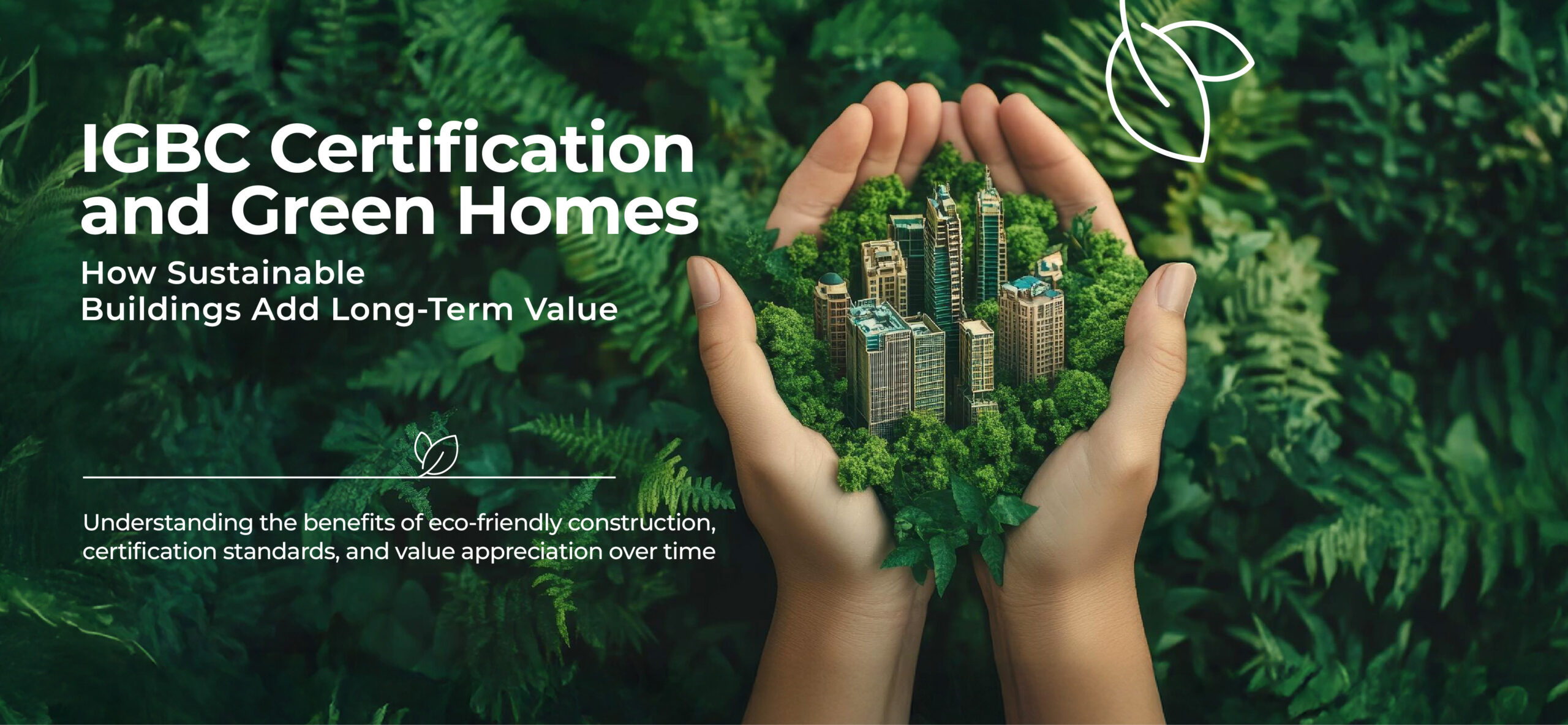
Sustainability has steadily moved from the margins to the mainstream of Indian real estate conversations. What was once viewed as a niche preference is now shaping how homes are planned, built, and evaluated, especially in urban India. Buyers today are not only asking about location and layout. They are also paying closer attention to how a building responds to climate, resource use, and long-term livability.
This shift has brought IGBC certification into sharper focus. The Indian Green Building Council has played a key role in setting benchmarks for environmentally responsible construction across residential and commercial projects. For homebuyers and investors alike, the value of green homes is no longer limited to short-term efficiency narratives. Long-term value now includes health, durability, future readiness, and alignment with evolving regulations. Understanding how IGBC-certified developments contribute to this broader value equation is becoming essential in a changing urban landscape.
Understanding IGBC Ratings
The Indian Green Building Council, commonly referred to as IGBC, is a nationally recognised authority that certifies buildings based on sustainability-focused design and operational criteria. IGBC green buildings are evaluated across the full lifecycle of a project, from planning and construction to usage and maintenance.
IGBC offers multiple rating levels that indicate the extent to which a project meets its sustainability benchmarks. These levels reflect overall performance rather than isolated features. Certification is awarded only after third-party assessment and documentation review.
The evaluation framework typically considers:
- Energy efficiency through passive design and efficient systems
- Water management practices such as rainwater harvesting and low-consumption fixtures
- Responsible material selection with reduced environmental impact
- Indoor environmental quality, including ventilation and daylight access
Unlike non-certified developments, IGBC-certified projects follow a structured approach to sustainability rather than relying on selective features. This distinction helps buyers differentiate between marketing-led green claims and independently assessed eco-friendly buildings that meet established standards.
Sustainability Benefits for Residents
For residents, the impact of green design is felt in everyday life rather than in technical specifications. Homes built under sustainable real estate principles tend to prioritise comfort and well-being alongside efficiency.
Improved indoor air quality is one of the most noticeable benefits. Better ventilation planning and reduced dependence on artificial cooling contribute to healthier interiors. Access to natural light also improves living spaces, supporting comfort and productivity.
Water efficiency measures play an important role in urban settings. Thoughtful plumbing layouts, reuse systems, and landscape planning help manage consumption without disrupting daily routines. Waste segregation and management systems further support responsible community living.
Thermal comfort is another outcome of climate-responsive design. Homes that account for orientation and material performance are better equipped to handle temperature variations. Over time, these factors contribute to a healthier lifestyle and a more resilient residential environment. For many buyers, green homes in India represent a shift toward conscious living rather than a purely technical upgrade.
Lower Operating Costs and Resale Impact
One of the reasons sustainability is gaining traction is its influence on long-term ownership experience. While outcomes vary by project, green features often support more predictable operating patterns over time.
Efficient building systems can ease pressure on shared infrastructure, which may influence maintenance planning at the society level. Durable materials and thoughtful design choices also tend to age better, supporting long-term upkeep.
From a market perspective, buyer preferences are evolving. As awareness around sustainability grows, certified green homes are increasingly viewed as future-ready assets. This perception can influence resale discussions, especially among urban buyers who factor environmental responsibility into decision-making.
Rental markets are also responding to this shift. Urban professionals and corporate tenants often look for homes that align with wellness and ESG considerations. In this context, sustainable housing India is gradually shaping both end-user demand and investor interest, without relying on short-term cost narratives.
Why Green Buildings Matter in Urban India
Indian cities are facing increasing pressure on land, water, and energy resources. Higher density living requires smarter planning to ensure long-term habitability. Green residential projects address these challenges by integrating sustainability into the core of development rather than treating it as an add-on.
Climate resilience is becoming a key consideration. Buildings that account for heat, rainfall patterns, and energy demand are better aligned with future regulatory and environmental realities. Industry coverage in publications like Business Standard has highlighted how green certification frameworks are influencing urban development standards.
Sustainability-led construction also aligns closely with ESG priorities. Developers and investors are recognising the role of eco-friendly buildings in meeting governance and environmental benchmarks. At a city level, green homes support broader goals related to infrastructure efficiency and quality of life.
As urban planning continues to evolve, IGBC-certified projects are positioned as contributors to long-term city sustainability rather than isolated developments.
Does IGBC Certification Mean a Home Has Zero Environmental Impact?
No. IGBC certification does not imply zero impact. It indicates that a project has met defined sustainability benchmarks across design, construction, and planning, compared to conventional buildings.
Conclusion
Sustainability in housing is no longer a passing phase. It is a long-term value driver shaped by changing lifestyles, regulatory direction, and environmental realities. IGBC certification offers a structured way to identify projects that take this responsibility seriously.
For buyers, this means looking beyond carpet area and upfront pricing to evaluate how a home will perform over time. Exploring sustainability-focused blogs, reviewing residential project pages highlighting green features, and consulting buyer guides on long-term ownership costs can support better decisions.
Discover sustainability-led residential projects that align with future-ready living on BeyondWalls or schedule a free personalized consultation for any help in your homebuying journey.
Thank you. Your comment will be visible after an approval.
Comments (0)
No comments found.



Add your comment