Categories
PropTech

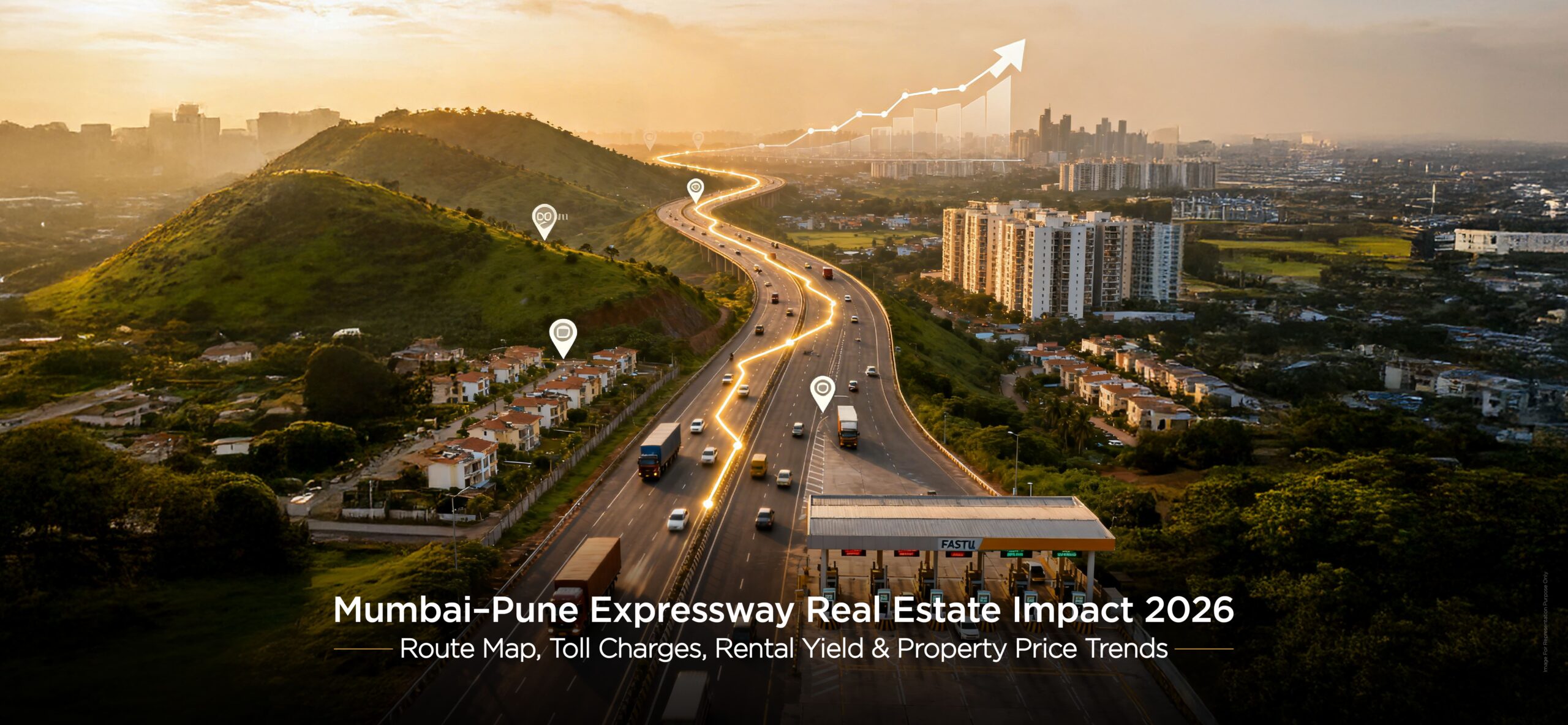
Mumbai Pune Expressway Property in 2026: Why the Corridor Between Two Cities Keeps Rewarding Investors

India’s first six-lane access-controlled highway does something most infrastructure projects only promise. It actually delivers. The Mumbai–Pune Expressway covers 94.5 km from Kalamboli in Navi Mumbai to Kiwale near Pune, bringing travel time between the two cities down to roughly 2–2.5 hours. That reduction matters more than it sounds. It turns a commute from impossible into manageable, a weekend trip into a Thursday evening decision, and a distant suburb into a viable home address. Real estate along this corridor has been responding to that reality for years. In 2026, the response has turned into a clear and sustained appreciation story.

The Corridor and Its Key Locations

The expressway creates a chain of micro-markets, each with its own investment logic, all tied together by reliable access.

Panvel sits at the Mumbai end and carries the highest concentration of residential supply. The Navi Mumbai International Airport, inaugurated in October 2025, has added a layer of demand that commuter proximity alone could not generate. Per 99acres, flat rates in Panvel average ₹13,350 per sq ft, with prices up 24.2% over the last five years and a rental yield of 3%.

Lonavala occupies the expressway’s midpoint and operates on a different logic. The demand here is less about daily commuting and more about lifestyle. Weekend homes, short-term rentals, and gated villa communities have made this hill station one of the corridor’s most active second-home markets.

Talegaon is the quiet achiever. Industrial employment from Talegaon MIDC, direct expressway access, and entry-level pricing make it attractive to buyers priced out of Pune’s city core. Per 99acres, flats average ₹4,550 per sq ft and the location carries a rental yield of 6%, one of the highest along the corridor.

Pimpri-Chinchwad feeds directly into Pune’s western growth engine. Property prices here have risen 26.4% over five years, with flats ranging between ₹5,700 and ₹9,050 per sq ft and an average rental yield of 4%, per 99acres.

Toll Charges and Connectivity in 2026

The one-way car toll stands at ₹320 as of April 2025, with rates fixed until 2030 per MSRDC officials. Zee Business FASTag is now mandatory at all MSRDC-operated toll plazas, with non-compliant vehicles charged double the base toll as penalty. Predictable toll costs matter for investors modelling this corridor. A commuter paying a known, fixed charge for reliable travel time gravitates toward housing near expressway exits. That preference is what keeps rental yield near expressway locations structurally supported.

Two infrastructure upgrades are worth watching closely:

  • The Missing Link tunnel near Lonavala is at an advanced stage of completion and will cut another 20–25 minutes off the drive once operational.
  • A 10-lane widening proposal for the expressway is in active circulation, signalling long-term capacity investment in the corridor.

Rental Yield Near Expressway: What the Numbers Show

Rental demand along this corridor runs on two distinct tracks. The first is professional — IT employment in Hinjewadi, industrial jobs in Talegaon and Chakan, and logistics operations near Taloja create sustained tenant populations across the corridor’s length. The second is lifestyle. Lonavala and surrounding hill pockets draw short-term rental demand from Mumbai weekenders and corporate retreats, and supply here is constrained by environmental regulations, giving property owners pricing leverage that a typical urban rental market cannot match.

Talegaon’s 6% yield and Pimpri-Chinchwad’s 4% yield, both from 99acres transaction data, sit above what most city-centre Mumbai locations deliver on rental return.

Township Developments Near Expressway and the Lifestyle Shift

The most significant change along this corridor over the past five years is the type of product buyers are purchasing. Integrated townships have made it possible for families to relocate here permanently. This is no longer a market for second homes alone. Here is how demand is shaping up across the key pockets:

    Panvel leads with large-format township projects absorbing demand from professionals priced out of core Navi Mumbai, with the airport influence zone adding fresh investor interest.
  • Talegaon and Somatane are seeing mid-sized gated communities targeting buyers who want Pune access at a fraction of Pune pricing.
  • Lonavala operates at the premium end, with villa communities and plotted developments drawing HNI and NRI buyers seeking capital preservation in a supply-constrained setting.

The Long-Term Case for Real Estate Investment Along Expressway

Early buyers in Panvel, Talegaon, and Pimpri-Chinchwad have seen consistent appreciation across five and ten-year horizons. The next leg has more infrastructure support behind it than any previous cycle. The Navi Mumbai airport adds an international connectivity layer at the Mumbai end that no other suburban corridor in Maharashtra currently has. Each upgrade to the expressway compounds a thesis that has been building since 2002.

Explore 100% verified property listings along the Mumbai–Pune growth corridor on BeyondWalls, or schedule a free consultation call with our experts to find the right opportunity for your investment goals.

Categories
PropTech Real Estate Marketing Uncategorized

How PropTech Tools Are Helping Developers Close Property Deals Faster in 2026

Introduction

Real estate sales have traditionally been a slow and manual process. Developers relied heavily on walk-in inquiries, phone calls, spreadsheets for lead tracking, and physical documentation to move deals forward. While this worked in the past, the modern property buyer expects a much faster and smoother experience.

Today’s buyers discover projects online, compare multiple properties digitally, and expect instant responses from developers. This shift in buyer behavior has pushed the industry to adopt smarter solutions.

That’s where proptech tools for developers are making a major difference. From automated lead management and real estate CRM tools to virtual property tours and digital booking systems, technology is transforming how projects are marketed and sold. In 2026, real estate sales technology is helping developers shorten sales cycles, improve customer engagement, and close property deals faster than ever before.

The Growing Role of PropTech in Real Estate Sales

The rise of PropTech trends in 2026 has been a exciting new chapter in how real estate sales operate. Instead of relying only on traditional marketing methods, developers are now using technology-driven platforms to reach buyers more efficiently.

Today’s property sales ecosystem is powered by digital tools that enable developers to manage every stage of the buyer journey. These include:

  • Data-driven property marketing strategies
  • Digital property discovery platforms
  • Automated lead management systems
  • Online booking and transaction platforms

These tools help developers identify serious buyers quickly and guide them through the property buying journey with minimal friction.

Technology also enables developers to track buyer behavior, understand what customers are looking for, and personalise communication. As a result, digital property sales are becoming faster, more transparent, and more efficient.

For developers and sales teams, this means fewer missed opportunities and a more structured sales funnel.

CRM Platforms for Lead Management

Managing property leads efficiently is one of the biggest challenges developers face. With inquiries coming from multiple sources such as websites, property portals, social media campaigns, and channel partners, keeping track of leads manually can lead to missed opportunities.

This is where real estate CRM tools play a crucial role.

A well-designed CRM platform acts as a centralized system where developers can manage all leads in one place. Instead of scattered data across spreadsheets and emails, every lead interaction is recorded and tracked.

Key benefits of CRM systems include:

  • Centralized lead database that stores all inquiries in one system
  • Lead tracking across multiple channels such as websites, portals, and campaigns
  • Automated follow-ups through emails, calls, and reminders
  • Better coordination between sales teams

With structured lead management, developers can respond faster and ensure that every inquiry receives attention. This significantly reduces lead leakage and improves overall sales efficiency.

In a competitive market, faster response time can make the difference between winning or losing a customer.

AI-Powered Lead Scoring & Automation

Not every property inquiry turns into a serious buyer. Sales teams often spend valuable time chasing leads that may never convert. This is where AI lead scoring in real estate is transforming the sales process.

AI-powered tools analyse buyer behavior and engagement patterns to identify which prospects are most likely to purchase a property.

These systems consider factors such as:

  • Website browsing activity
  • Property search behavior
  • Interaction with marketing campaigns
  • Previous inquiry history

Based on this data, the system assigns a lead score, helping sales teams prioritize high-intent buyers.

Benefits of AI-powered automation include:

  • Lead prioritization based on buyer interest
  • Predictive insights on potential buyers
  • Automated nurturing campaigns
  • Improved conversion rates

With AI assisting the process, sales teams can focus their time and effort on prospects who are closer to making a purchase decision.

This significantly improves productivity and accelerates deal closures.

Virtual Tours & Digital Property Showcases

Property buyers today often start their search online long before visiting a site. To cater to this shift, developers are increasingly adopting virtual property tours and digital project showcases.

These tools allow buyers to explore properties remotely without needing to visit the site immediately.

Some of the most commonly used digital experiences include:

  • 3D property walkthroughs
  • Virtual site visits
  • Interactive floor plans
  • Project video presentations

These experiences help buyers visualize the project, understand layouts, and evaluate amenities from the comfort of their homes.

For developers, this means that buyers who eventually schedule a site visit are already well-informed and more serious about purchasing.

By reducing the need for multiple physical visits, digital property showcases help speed up the decision-making process and shorten the sales cycle.

Online Booking & Digital Documentation

Another major development in property sales automation is the shift toward digital transactions.

Traditionally, property booking involved several steps including physical paperwork, multiple visits to the sales office, and manual payment processes. Today, many developers are adopting digital tools that simplify this journey.

Modern platforms now offer:

  • Online property booking systems
  • Digital documentation and e-signatures
  • Integrated online payment gateways
  • Automated transaction records

These tools make the property buying process faster and more convenient for both developers and buyers.

Buyers can reserve units online, complete documentation digitally, and make secure payments without delays. For developers, this reduces administrative workload and speeds up transaction processing.

As a result, deals move from inquiry to closure much faster.

Marketing Automation for Faster Conversions

Real estate marketing has also become significantly smarter with the use of real estate marketing automation tools.

Instead of manually following up with every lead, developers can now create automated engagement workflows that nurture prospects over time.

Common marketing automation strategies include:

  • Automated email campaigns for new inquiries
  • Retargeting advertisements for interested buyers
  • Lead nurturing workflows based on buyer behavior
  • Campaign performance analytics

These tools ensure that potential buyers continue receiving relevant information even after their first interaction with a project.

Consistent engagement keeps the project top-of-mind and increases the chances of conversion.

Conclusion

Technology is reshaping the way real estate projects are marketed and sold. In 2026, proptech tools for developers are helping streamline operations, improve buyer engagement, and accelerate the entire sales process.

From CRM platforms and AI-powered lead scoring to virtual property tours and digital booking systems, real estate sales technology is making property transactions faster and more efficient.

For developers, adopting PropTech is no longer just an innovation it is becoming a necessity to stay competitive in a rapidly evolving market.

Explore How Technology Can Help Sell Your Projects Faster

Categories
PropTech

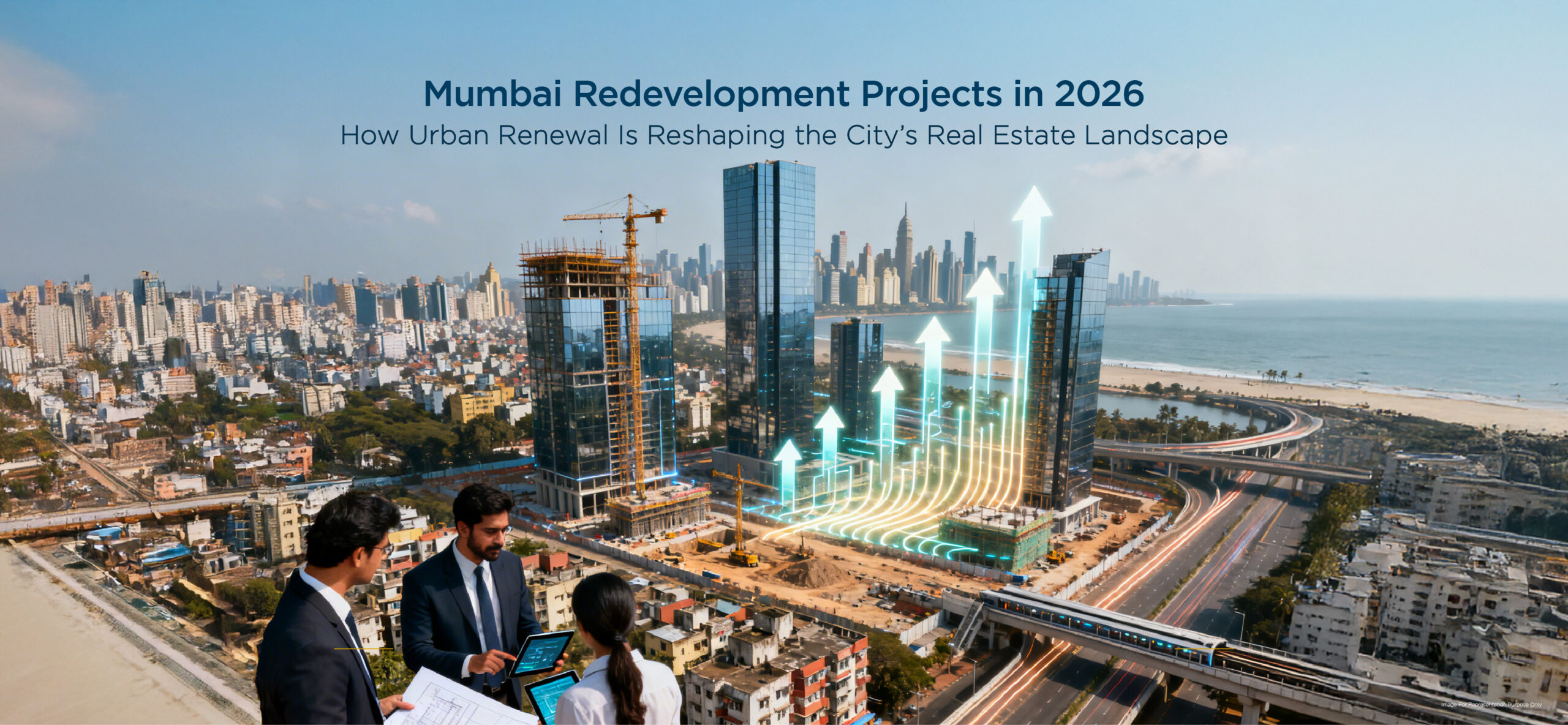
Mumbai Redevelopment Projects in 2026: The Property Story That Is Reshaping the City

Mumbai has no new land. Every buyer, investor, and developer working in this market understands this at some level. The answer the city has arrived at is redevelopment. Pulling down what no longer works and building something better in its place. In 2026, that answer is now the dominant force behind Mumbai property price growth, neighbourhood transformation, and a serious investment opportunity.

Why the Redevelopment Boom is Real

The scale of eligible stock is what most people underestimate. Of the roughly 19,500 cessed buildings Mumbai had in 1955–56, approximately 13,000 remain pending for redevelopment. These are rent-controlled structures built before 1969, many of which are structurally compromised. In 2025, MHADA declared 96 cessed buildings in South Mumbai as extremely dangerous and asked residents to vacate. Society redevelopment in the suburbs has matched this urgency. By the end of the last financial year, more than 31,000 society redevelopment projects had been approved across Mumbai, with redevelopment now accounting for an estimated 30–40% of the city’s new housing supply.

Government policy is actively accelerating this. Mumbai City’s residential FSI has been raised from 1.33 to 3. Higher FSI is the financial engine of every redevelopment project, as it is what makes complex urban projects viable for developers in the first place. MHADA has also cut approval timelines significantly. Redevelopment proposals for cessed buildings with 51% resident consent now receive a No Objection Certificate within six weeks, with the NOC deemed approved if the deadline is missed.

What Redevelopment Does to Property Prices

The pricing impact is measurable and, in several pockets, dramatic. When an ageing building gives way to a modern high-rise, the valuation benchmark for that entire neighbourhood resets.

Greater Mumbai’s premium on new homes over resale has risen from about 5% in 2016 to 23% in 2025, with average primary prices standing at around ₹35,602 per sq ft as of December 2025. In the most active redevelopment corridors, the gap runs wider. South Mumbai shows a premium of about 46% for new homes, the Western suburbs around 44%, and the Eastern suburbs have seen the premium jump from just 2% in 2016 to about 30% in 2025, largely driven by redevelopment and large integrated projects.

The broader market has confirmed this momentum. In 2025, Mumbai recorded 150,254 property registrations and stamp duty collections of ₹13,487 crore. Both these are 14-year highs, per Knight Frank India.

SRA Redevelopment and What It Unlocks

SRA redevelopment works on a public-private partnership model. Developers receive enhanced FSI rights in exchange for providing free housing to eligible slum residents, with additional apartments sold in the open market to fund the project. The cumulative output is now substantial.

According to the Maharashtra Economic Survey 2025–26, 2,545 SRA projects have been completed over nearly three decades, with around 500 delivered in the five years following the COVID-19 pandemic, which is roughly 18% of all output in that window alone. Free Press Journal The target going forward is even more ambitious. Mumbai aims for 5 lakh SRA homes by 2030, roughly double the cumulative output since 1996.

For investors, these zones matter because they represent land unlocks in locations that were previously inaccessible for formal real estate. As informal settlements are replaced by planned towers, the surrounding micro-markets reprice accordingly.

Premium Redevelopment Zones: Where to Pay Attention

Several corridors stand out for the pace and quality of transformation currently underway. Here is where the action is concentrated in 2026:

  • South Mumbai: Luxury redevelopment is resetting price ceilings. South and South-Central Mumbai lead city pricing at ₹45,000–75,000 per sq ft for 2BHK apartments, driven by land scarcity and redevelopment-led supply.
  • Bandra: The city’s most aspirational address for premium buyers. Redevelopment here operates at the intersection of location scarcity and lifestyle permanence, producing consistent demand.
  • Andheri: One of the most active zones for new launch redevelopment projects in Mumbai, with metro connectivity and a broad commercial catchment, making it relevant to a wide range of buyers.
  • Borivali and Kandivali: Where the arithmetic of society redevelopment, Mumbai is playing out most visibly. According to Knight Frank India (2025), the western suburbs will contribute around 32,354 of the 44,000 new homes expected from society redevelopment by 2030, approximately 73% of the total.
  • Dadar and Chembur: Among Mumbai’s most active zones for redevelopment-driven residential sales, targeting new-age features and green building standards to meet buyer demand.

The Investment Case for Redevelopment Investment Opportunities

Property investment in Mumbai’s redevelopment zones has a specific logic that long-horizon buyers and NRI investors should understand.

Early-entry pricing matters. A project acquired at the pre-launch phase of a redevelopment typically prices below comparable ready inventory in the same neighbourhood. As the tower completes and the area reprices, the gap closes in the investor’s favour. Supply scarcity reinforces this. Mumbai’s inventory overhang now stands at a 5-year low of 20 months, with land scarcity and lengthy approval cycles keeping new supply constrained. In established neighbourhoods where redevelopment is the only route to new supply, that scarcity is structural.

Rental demand in redeveloped towers with good infrastructure access has remained solid, supported by consistent employment across financial services and technology sectors. City-wide residential price appreciation has held at 4–6% year-on-year, driven by end-user absorption and disciplined supply. In active redevelopment corridors, appreciation has run ahead of that average.

Mumbai infrastructure development tied to redevelopment zones adds another layer. Metro expansion, the Coastal Road, and MTHL connectivity are directly lifting the investment case for pockets that were considered secondary just five years ago.

The Bottom Line

Urban renewal in Mumbai is doing more than replacing old buildings. It is systematically creating modern housing supply in a land-locked city, repricing neighbourhoods, and generating appreciation that has outpaced broader market averages across multiple corridors. The pipeline of 13,000 cessed buildings and 31,000-plus approved society projects means this wave has years of momentum ahead of it.

Explore 100% verified redevelopment listings on BeyondWalls, or schedule a free consultation call with our experts to find the right opportunity in Mumbai’s most transforming neighbourhoods.

Categories
PropTech

New Property Launches & Latest Listings: Trending Projects in High-Demand Locations

Introduction

The Indian real estate market is always changing, and both investors and purchasers are still very interested in new properties being introduced in India. Developers present contemporary home buildings each year that are intended to satisfy evolving lifestyle demands. Today’s new real estate projects provide much more than just a place to live, from larger living areas and better design to smart home technologies and community facilities.

The chance to get in early is one of the main benefits of investing in recently launched apartments. These projects are frequently appealing to purchasers due to launch-phase pricing, flexible payment options, and improved unit selection.

Early participation into popular housing developments in expanding areas can also present investors with significant long-term appreciation potential

Why New Property Launches Are Popular Among Buyers

There are several reasons why new residential projects continue to attract attention from homebuyers and investors.

One of the most common reasons is launch pricing. Developers often introduce projects at competitive rates during the initial phase, giving early buyers the advantage of lower prices compared to later stages.

Buyers also benefit from flexible payment plans that allow them to manage their finances more comfortably during the construction period.

Modern projects also focus heavily on lifestyle features. Many real estate new launches now offer amenities such as:

  • Clubhouses and fitness centres
  • Landscaped gardens and open spaces
  • Children’s play areas
  • Co-working spaces and community zones

Another major factor is improved planning. Compared to older developments, best new property projects usually offer better layouts, efficient space utilisation, and thoughtfully designed communities.

Finally, buyers often see new launches as a long-term investment opportunity. As the surrounding infrastructure develops, these projects may witness steady property value appreciation.

Trending Real Estate Locations for New Launches

Many upcoming real estate projects in India are concentrated in fast-growing residential corridors where infrastructure, employment hubs, and connectivity are improving rapidly.

Pune

Pune continues to remain one of the most active markets for new property launches in India. Several locations are witnessing strong demand due to IT growth and infrastructure expansion.

Some of the most sought-after locations include:

  • Hinjewadi – A major IT hub with growing residential demand
  • Kharadi – Known for its proximity to business parks and commercial centres
  • Baner – A premium residential area with strong lifestyle infrastructure
  • Tathawade – Popular among professionals working in the IT corridor
  • Wagholi – A rapidly developing residential destination

Mumbai Metropolitan Region (MMR)

The Mumbai region also continues to see multiple latest property listings in emerging residential hubs.

Key areas gaining attention include:

  • Thane – A well-developed residential and commercial hub
  • Navi Mumbai – Known for planned infrastructure and new developments
  • Panvel – Benefiting from upcoming infrastructure projects
  • Dombivli – Affordable housing options with improving connectivity
  • Kalyan – Growing residential demand due to infrastructure expansion

These locations attract developers because of their connectivity, access to employment hubs, and increasing housing demand.

Featured New Property Projects

Below are some examples of trending housing projects that reflect the type of developments currently attracting attention in high-growth locations.

Project A – Hinjewadi, Pune

Developer: Leading Regional Developer

Configuration: 2 BHK and 3 BHK apartments

Key Highlights:

  • Modern clubhouse with indoor and outdoor amenities
  • Landscaped gardens and jogging tracks
  • Smart home-enabled apartments
  • Dedicated co-working and recreational spaces

Connectivity Benefits:

  • Close proximity to Hinjewadi IT Park
  • Easy access to Mumbai–Pune Expressway
  • Well-connected to Baner and Wakad

This project is attracting working professionals who prefer living close to the IT corridor.

Project B – Kharadi, Pune

Developer: Reputed National Developer

Configuration: 1 BHK, 2 BHK, and 3 BHK homes

Key Highlights:

  • Premium lifestyle amenities and clubhouse
  • Swimming pool and wellness zones
  • Smart security and surveillance systems
  • Well-planned community spaces

Connectivity Benefits:

  • Near EON IT Park and World Trade Center
  • Quick access to Pune Airport
  • Well-connected to major commercial zones

Kharadi continues to be one of the most active destinations for latest property listings due to its strong commercial ecosystem.

Project C – Thane, Mumbai Region

Developer: Established Real Estate Brand

Configuration: 2 BHK and 3 BHK apartments

Key Highlights:

  • Large integrated township development
  • Multiple recreational and sports facilities
  • Retail spaces within the project
  • Modern community infrastructure

Connectivity Benefits:

  • Easy connectivity to Eastern Express Highway
  • Access to metro development corridors
  • Close to schools, hospitals, and business hubs

Thane has become a preferred location for buyers seeking a balance between connectivity and lifestyle.

Project D – Panvel, Navi Mumbai

Developer: Emerging Developer

Configuration: 1 BHK and 2 BHK homes

Key Highlights:

  • Affordable housing with modern amenities
  • Open green spaces and community areas
  • Smartly designed compact homes
  • Family-friendly residential environment

Connectivity Benefits:

  • Close to upcoming infrastructure projects
  • Connectivity to Navi Mumbai business districts
  • Access to highways and upcoming transport networks

Panvel is gradually emerging as an important destination for upcoming real estate projects in India.

Key Factors to Evaluate in New Property Launches

While new real estate projects can offer exciting opportunities, buyers should evaluate certain factors before making a decision.

Here is a simple checklist:

  • RERA Registration: Always verify whether the project is registered under RERA.
  • Developer Reputation: Check the developer’s past track record and completed projects.
  • Construction Timeline: Understand the expected completion schedule.
  • Location Connectivity: Evaluate proximity to workplaces, transport routes, and essential services.
  • Future Growth Potential: Research infrastructure projects planned in the area.

Doing proper research ensures that buyers invest in the right project with long-term value.

Conclusion

India’s increasing demand for contemporary, well-planned residential communities is reflected in the country’s rising number of new property releases. These most recent real estate listings provide investors and homebuyers with the opportunity to investigate new prospects in rapidly expanding areas.

Better living features, flexible payment alternatives, and significant long-term appreciation potential can all be found in well selected new real estate projects.

Investigating recently opened developments in high-demand areas can be a fantastic place to start if you’re thinking about purchasing real estate.

Examine the Newest Real Estate Launches and Popular Projects in Your Area.

Categories
PropTech Real Estate Marketing

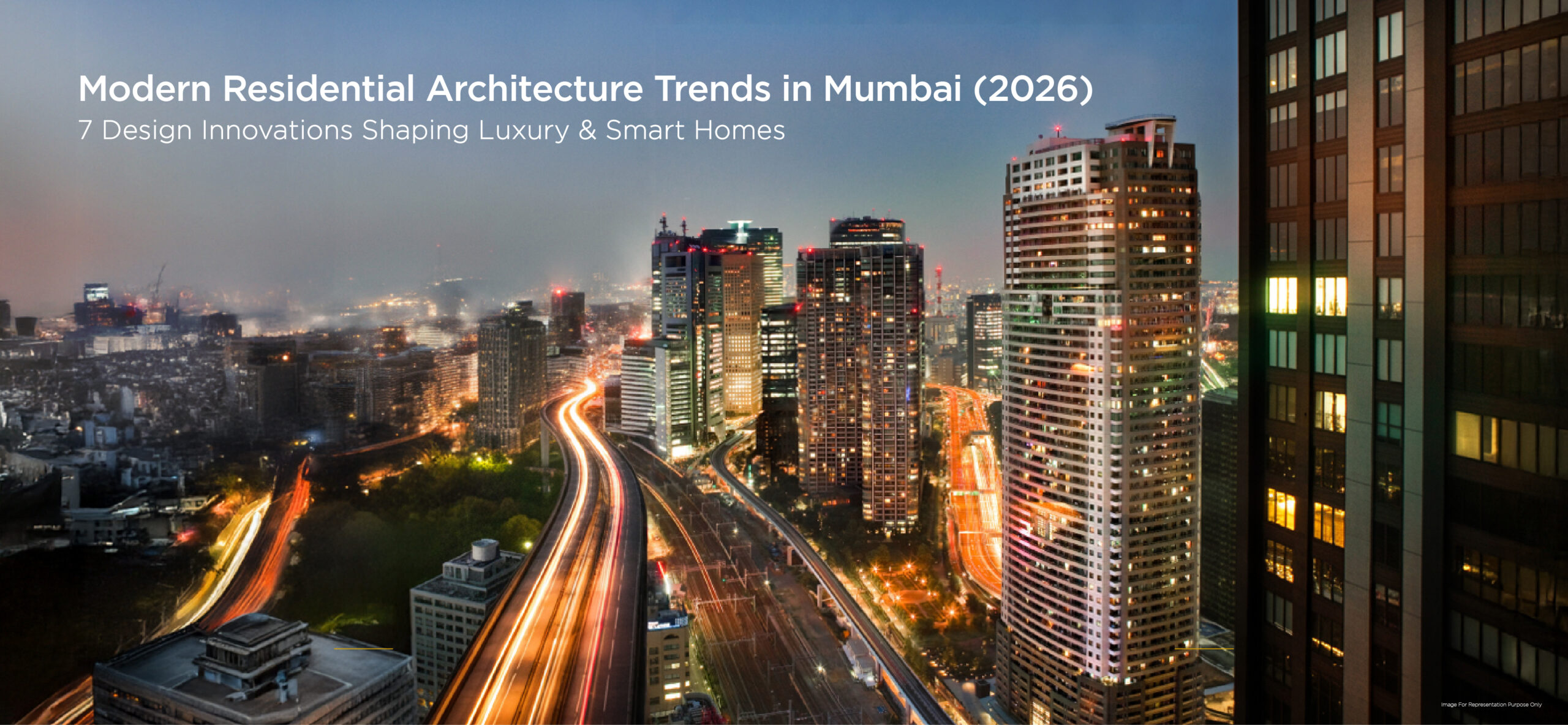
Modern Residential Architecture Trends in Mumbai (2026): 7 Design Innovations Shaping Luxury & Smart Homes

The idea of home is changing fast, especially in a city like Mumbai. Residential design is advancing like never before due to space constraints, expanding lifestyle demands, and escalating expectations.

Modern Mumbai homes in 2026 are about more than size and location. Today’s buyers seek out homes that incorporate cutting-edge lifestyle features, environmental architecture, effective space layout, and smart technology.

Developers are reinventing the style and feel of homes with features like app-controlled lighting, eco-friendly construction, and community-focused living. These modifications aim to make daily living more pleasant, convenient, and future-ready rather than merely focusing on luxury.

The emphasis is undoubtedly moving toward more intelligent, considerate living areas, whether they are little urban residences or opulent flats in Mumbai.

Smart Home Automation Integration

One of the biggest shifts in smart homes 2026 is the growing use of automation in everyday living.

What was once considered a luxury is now becoming a standard feature in many new residential projects.

Modern homes now offer:

  • App-based lighting and climate control
  • Smart security systems with real-time alerts
  • Voice-controlled devices for convenience
  • Remote access to appliances and home systems

These features allow homeowners to control their home environment from anywhere. Whether you want to switch off lights, adjust room temperature, or monitor security, everything can be done through a smartphone.

This level of automation not only improves comfort but also enhances safety and energy efficiency. For urban professionals with busy lifestyles, smart home automation is becoming an essential part of modern living.

Sustainable & Green Building Design

Sustainability is no longer optional it is becoming a core part of residential design trends in Mumbai.

With increasing awareness about environmental impact, developers are focusing on sustainable housing trends and green building architecture.

Key features in modern projects include:

  • Energy-efficient building designs
  • Rainwater harvesting systems
  • Solar power integration
  • Use of eco-friendly construction materials
  • Better natural ventilation and daylight planning

These elements help reduce energy consumption and lower utility costs over time.

Green buildings also create healthier living environments by improving air quality and reducing heat within homes. In a dense city like Mumbai, these benefits make a significant difference in daily comfort.

For many buyers, sustainability is now an important factor when choosing a home.

Space Optimization in Compact Urban Homes

Space has always been a challenge in Mumbai. But today’s architects are turning this challenge into an opportunity through smart design.

Modern compact luxury homes are designed to maximise every square foot without compromising on comfort.

Some common design solutions include:

  • Open floor plans that create a sense of spaciousness
  • Multifunctional furniture that serves multiple purposes
  • Flexible layouts that adapt to different needs
  • Smart storage solutions to reduce clutter

These innovations allow even smaller apartments to feel open, functional, and premium.

Buyers are no longer just looking at carpet area they are looking at how efficiently the space is used. This shift is redefining what luxury means in urban housing.

Premium Lifestyle Amenities

Today’s luxury apartments in Mumbai go far beyond basic facilities. Developers are now creating complete lifestyle experiences within residential projects.

Modern developments often include:

  • Infinity swimming pools and sky lounges
  • Fully equipped fitness centres
  • Co-working spaces for remote professionals
  • Rooftop gardens and relaxation zones
  • Clubhouses with indoor recreational facilities

These premium residential amenities are designed to offer convenience and leisure without stepping out of the complex.

For many homebuyers, especially in a fast-paced city like Mumbai, having access to these amenities within the project is a major advantage.

It transforms residential living into a more holistic and enjoyable experience.

Rise of Green Spaces & Wellness-Oriented Design

With urban life becoming more stressful, there is a growing focus on wellness in residential design.

Developers are increasingly incorporating green and open spaces within projects to promote healthier living.

Common features include:

  • Landscaped gardens and green zones
  • Walking and jogging tracks
  • Meditation and yoga areas
  • Open recreational spaces

These elements support both physical and mental well-being.

In a city where open space is limited, access to greenery within residential communities adds significant value. It creates a peaceful environment and improves overall quality of life.

Wellness-focused design is no longer a luxury it is becoming a necessity.

Community Living & Social Infrastructure

Another important shift in residential design trends is the rise of community-focused living.

Modern homebuyers are looking for more than just private space they want a sense of belonging and interaction.

Developers are responding by creating projects that encourage community living through:

  • Shared social spaces and lounges
  • Community clubs and event areas
  • Children’s play zones
  • Co-working and collaboration spaces

These community living concepts help residents connect, interact, and build relationships within the same development.

For families, it creates a safer and more engaging environment. For professionals, it adds convenience and social interaction within the same space.

This trend reflects a broader shift toward balanced urban living.

Conclusion

Mumbai’s modern residences are undoubtedly headed toward more intelligent, eco-friendly, and lifestyle-focused living.

Residential design is changing to meet the demands of today’s urban dwellers, from space-efficient layouts and high-end facilities to smart houses 2026 features and green building architecture.

These developments are reinventing what luxury living in Mumbai looks like in addition to improving comfort.

Now is the ideal moment to look at projects that properly integrate design, technology, and lifestyle if you intend to invest in a new house.

Discover the newest home buildings created for the future by browsing Mumbai’s Modern & Smart Homes.

Categories
PropTech Real Estate Marketing Real Estate Sales

Designing Small Homes with Confidence: When Bold Choices Work Better Than Minimalism

Let’s be honest most of us living in the city have been told the same thing: “Keep the walls white, don’t buy big furniture, and if you even think about a dark rug, your apartment will feel like a shoebox.” We’ve been conditioned to think that small home design ideas must always equal “safe” minimalism. But here’s a secret: playing it too safe can actually make a home feel bland and, ironically, smaller because there’s nothing for the eye to look at.

You don’t need a massive bungalow to have a massive style. In fact, lean-in bold interior design can turn a cramped 1BHK into a curated masterpiece. It’s not about cluttering; it’s about character. Let’s talk about how to break the “rules” and make your compact home feel like a high-end retreat.

Why “Boring” Isn’t the Only Way to Save Space

The biggest myth in interior design is that empty space equals “roomy” space. In reality, a neutral-on-neutral room can feel flat and lifeless. When everything is the same beige or off-white, your eyes don’t have any landmarks to follow, which can actually make a room feel boxy.

By introducing bold interior design elements like a deep teal wall or a chunky velvet sofa you’re creating depth. Visual interest pulls the eye toward specific points, making the boundaries of the room feel less restrictive. Intentional boldness looks premium; it says, “I chose this,” whereas an empty room often says, “I didn’t know what to do.” When you commit to a style, your home feels like a boutique hotel rather than just a place where you store your stuff.

Master the Art of Color, Texture, and Layout

In Indian urban homes, we often deal with weirdly shaped rooms or open-plan layouts where the living room, dining area, and kitchen all blur into one. This is where “Color Blocking” becomes your best friend. Instead of painting the whole house one color, use a bold shade on just one wall to define a zone. For example, a charcoal grey wall behind your TV unit can instantly signal “This is the lounge,” while the rest of the space stays airy.

Don’t forget texture! A small home can feel “cold” if everything is smooth plastic or laminate. Mix it up. Pair a sleek marble-top coffee table with a chunky jute rug or a soft fabric sofa. In a 2BHK, these layers of texture add a sense of luxury that makes the space feel intentional. Think of it dressing a plain outfit is fine, but adding a leather jacket and a silk scarf makes it an “ensemble.”

Smart Furniture: Quality Over Quantity

The fastest way to make a small home feel cluttered is to fill it with lots of tiny furniture. It sounds counterintuitive, but one large, comfortable sofa often looks better and feels more spacious than four small, spindly chairs. This is the “fewer but better” rule of compact apartment styling.

For urban dwellers, multi-functional is the name of the game. Look for:

  • Storage Beds: Because let’s face it, we all have suitcases and winter blankets that need a home.
  • Wall-Mounted Units: Floating desks or TV consoles keep the floor visible. The more floor you can see, the bigger the room feels!
  • Foldable Tables: A dining table that drops down when not in use is a lifesaver for 1BHK apartments.

When your furniture works double duty, you don’t need as many pieces, which leaves your walkways clear and your mind calm.

Lighting: The Secret Space-Maker

If you only have one “tube light” in the middle of the room, you’re doing your home a disservice. Lighting can literally change the dimensions of a room. To make a space feel huge, you need Layered Lighting.

  • Ambient: Your main overhead light.
  • Task: A lamp on your desk or under-cabinet lights in the kitchen.
  • Accent: A warm LED strip behind a mirror or a spotlight on a piece of art.

Using mirrors is the oldest trick in the book, but for a reason—they work! Place a large mirror opposite a window to bounce natural light into the dark corners. If you have low ceilings, use “up-lighting” (floor lamps that point upward) to trick the eye into thinking the walls are taller than they are.

Styling Tips for the Modern Urbanite

Styling a 1 or 2 BHK is all about the “Hero Element.” Instead of a “gallery wall” with fifteen tiny frames (which can look messy), go for one massive, bold piece of art. It creates a singular focus point that anchors the room.

Indoor plants are another great way to add life without adding “bulk.” A tall Monstera in a corner or some hanging Pothos can bring in a splash of natural green that softens the hard edges of apartment living. And remember: one bold rug can tie an entire room together. If your walls are neutral, go wild with a patterned rug. It’s like an anchor for your furniture, making everything feel tucked in and organized.

Categories
PropTech Real Estate Marketing Real Estate Sales

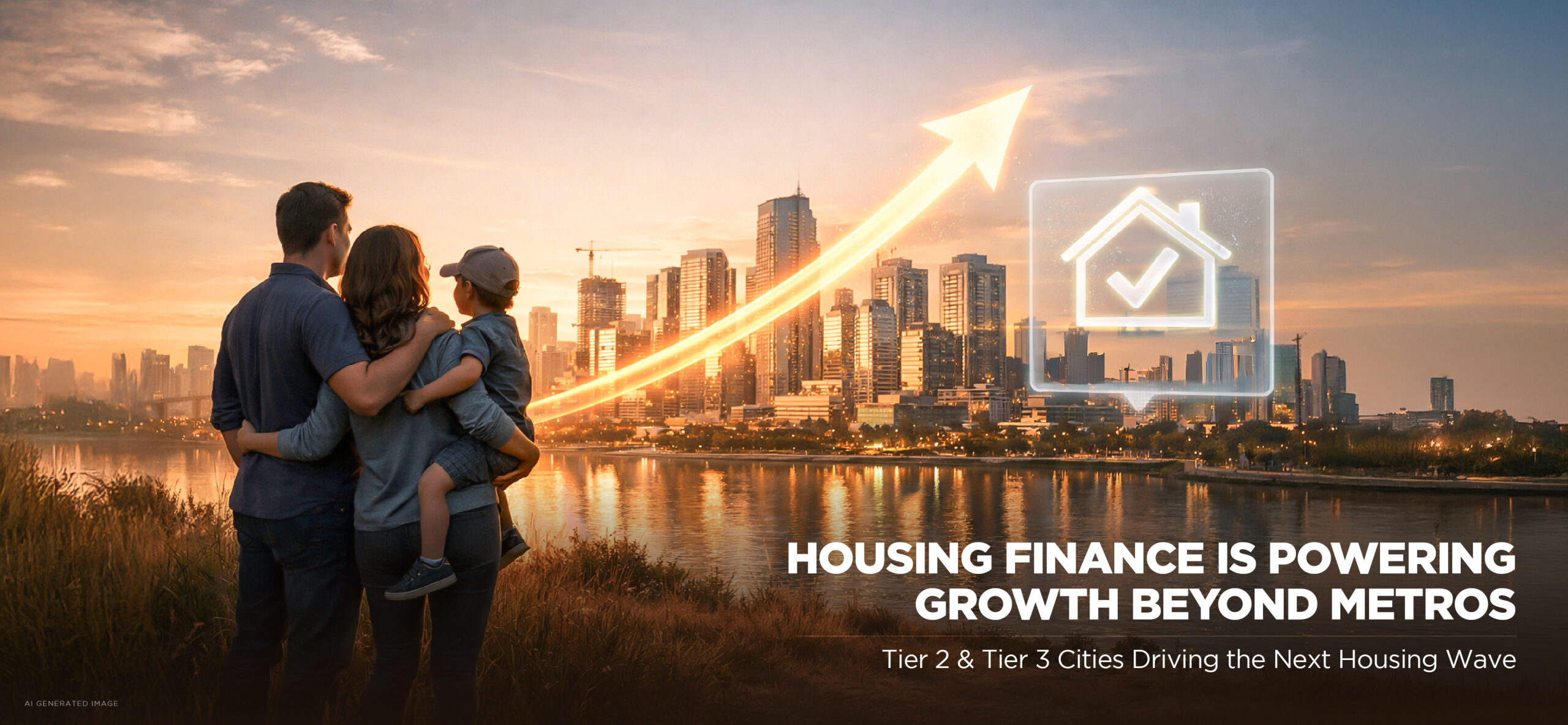
The Great Move: Why Everyone is Looking Beyond the Metros

If you’ve spent any time lately scrolling through real estate apps in cities like Mumbai or Bengaluru, you’ve probably felt that familiar sting of “sticker shock.” You see a tiny apartment, look at the price tag, and wonder if you’re buying a home or a private island. It’s exhausting.

But lately, the conversation has shifted. At weddings, family dinners, or even on LinkedIn, people are talking about Jaipur, Indore, Lucknow, or Coimbatore. There’s a massive movement happening where the “Indian Dream” is moving out of the crowded metros and into smaller, more breathable cities.

Why now? Because for the first time, housing finance growth in India has actually caught up with our ambitions. It’s no longer a struggle to get a loan if you aren’t in a Tier 1 city. Suddenly, affordability and accessibility are finally hanging out in the same room, making the dream of owning a home feel… well, actually doable.

Banks are Finally Coming to You

For a long time, trying to get a home loan in a non-metro city felt like you were asking for a massive favor. The paperwork was endless, and the “big banks” didn’t seem to care about anything outside the major hubs.

That’s completely changed. Today, banks and housing finance companies (HFCs) are racing to set up shop in Tier 2 and 3 markets. They’ve realized that the “real” India lives here, and the demand is through the roof. Thanks to digital apps and Video KYC, you can get your loan processed while sitting in a cafe in Dehradun. Lenders aren’t just looking at your salary slip anymore; they’re looking at the local growth of your city. They see lower risks and a huge crowd of honest, hard-working buyers. It’s a win-win.

More House, Less Stress

The math of emerging real estate cities is actually pretty beautiful. In a metro, you’re basically paying for the “postcode.” You might spend your entire life’s savings on a 2BHK where you can hear your neighbor sneeze.

In a Tier 2 city, that same amount of money or often much less can get you a spacious 3BHK or even an independent villa with a little garden.

Lower EMIs: Because the total price is lower, your monthly commitment won’t eat up 60% of your salary.

Higher Eligibility: Banks are more likely to say “yes” when the loan amount is sensible compared to your income.

Better Tenure: You can spread the loan over 20 or 30 years, keeping your lifestyle intact while you build equity.

For millennials who want to travel, eat out, and actually live life, this balance is a no-brainer.

The Government Has Your Back

It’s not just about money; it’s about infrastructure. You’ve probably noticed the new highways, the cleaner airports, and the metro rails popping up in cities like Nagpur or Kochi. The government is pouring money into making these cities “livable.”

They’ve also introduced several incentives for first-time buyers. While we won’t get bogged down in the fine print of every scheme, the general direction is clear: the government wants you to buy your first home in these growth hubs. Between tax breaks and interest subsidies, they’ve made it so that the “entry barrier” is lower than it’s ever been. When the government invests in a city’s roads and water, your property value naturally goes up. It’s like getting a free upgrade on your investment.

Lifestyle: The “Reverse Migration” is Real

Remember when everyone had to move to the big city for a “good life”? Those days are fading. With remote work and hybrid offices becoming the norm, people are asking themselves:

Living in a Tier 2 or 3 city today doesn’t mean compromising. You’ve got the same malls, the same pizza delivery, and better schools, but with half the traffic and way less pollution. Millennials are choosing space, mental peace, and long-term stability. They want a home where they can actually breathe, have a home office, and maybe even a spot for a dog. It’s about a “lifestyle upgrade” that the big metros just can’t offer anymore at a reasonable price.

Investing in the “Next Big Thing”

If you’re looking at this from an investment perspective, Tier 2 Tier 3 housing demand is where the real growth is. In a metro, property prices are already at the ceiling. In an emerging city, you’re getting in on the ground floor.

The potential for your property value to double in the next few years is much higher in a city that’s just starting its growth spurt. Of course, be smart to check the developer’s reputation and make sure the project has all its legal clearances. But generally speaking, the “early birds” in these markets are going to see some very happy returns.

Categories
PropTech Real Estate Marketing

Unveiling The Growth of Pune Real Estate Market 2024

The real estate market in Pune has been growing rapidly and showing strong resilience, making it one of the top choices for investors in India. Pune is famous for its culture and booming economy, which has led to an increasing number of people interested in buying property there. In this blog, we will discuss the real estate market in Pune in 2024, focusing on the important trends, opportunities for investment, and things to consider for anyone who is planning to invest in property in Pune.


Current Market Trends

The Pune real estate market trends demand has increased significantly in 2024, with both – people looking to buy homes and investors showing interest. The Hindu Business Line reported that the number of homes sold in the first quarter of 2024 was 56% higher than in 2023. There are a few reasons behind this growth in the market.:

  1. Increased Affordability and Growing Incomes:

    More people can now afford to invest in real estate because they are earning more money and finding it easier to afford the cost.

  2. Shift in Living Preferences:

    The pandemic has led more people to prefer bigger homes with fancy features, which has increased the demand for luxury homes in Pune.

  3. Low Unsold Inventory:

    The quick sales of new projects have greatly reduced the number of unsold homes, making sure that the housing market stays steady.


Key Locations for Investment

Pune area has some great spots for investing in real estate because they are in good locations and growing quickly.

    • Hinjewadi

Hinjewadi, located in Pune, is a popular area known for its great connection to highways and infrastructure projects. It’s also home to many top IT companies and offers a variety of places to live. Because of these reasons, it’s a great place to consider for property investment in Pune.

  • Baner

    Baner is a lively neighbourhood with a combination of homes and businesses. Its location close to the Mumbai-Pune Expressway and great community facilities make it a top choice for people looking to buy a home in Baner. It provides the best localities in Pune for investment.

  • Kharadi

    Kharadi is quickly growing into an important area for technology and business. With new housing projects and great facilities, it’s a great place to consider investing in


Project Developments

The real estate market in Pune is full of new homes and offices that come in different sizes and layouts to meet different needs and budgets. These places have all the modern amenities, green spaces, and advanced security to appeal to people looking to invest.

Panchshil Business Park: Found in Baner, this office space has all the latest facilities to cater to the increasing need for high-quality workspaces. World Trade Centre Pune: Located in Kharadi, this famous development is home to many big companies, making the area even more appealing for commercial real estate.

Return on Investment (ROI) Potential

Thinking of investing in Pune’s real estate market? You might be in for a good return on investment. The city’s growing economy and improving infrastructure make it an attractive place to invest. Recent data and examples show that property rates in Pune areas like Hinjewadi and Kharadi have gone up by 19 to 25% in the last three years. In 2023 and 2024, it will increase more than 30% in promising markets.

Legal and Financial Considerations

When investing in Pune’s real estate market, it’s very important to understand the legal and financial aspects involved.

Legal Aspects

Ensure compliance with RERA regulations, which enhance transparency and protect buyers’ interests. Verify the property’s legal status, title, and approvals before purchase.

Financial Considerations

Explore various financing options, including home loans with competitive interest rates. Understand the taxation aspects related to property investment, including stamp duty, registration charges, and capital gains tax.


Customer Benefits

Investing in Pune’s real estate market offers several benefits:

  1. Capital Appreciation:

    Growth of the property value appreciation makes it a lucrative investment.

  2. Rental Income Opportunities:

    Pune’s growing population and influx of professionals create a strong demand for rental properties.

  3. Quality of Life Improvements:

    Residents’ access to top-tier amenities, green spaces, and modern infrastructure enhances their quality of life.

  4. Portfolio Diversification:

    Real estate investment provides a tangible asset, diversifying your investment portfolio.


Tips for First-Time Investors

For first-time investors, the following tips can help navigate Pune’s real estate market:

  1. Conduct Thorough Research:

    To know the market trends and property trends in Pune and potential growth areas.

  2. Perform Due Diligence:

    Verify the property’s legal status, approvals, and builder’s reputation.

  3. Choose the Right Property:

    Consider factors like location, amenities, and future growth prospects.

  4. Consult Experts:

    Seek advice from real estate consultants and legal experts to make informed decisions.


Conclusion

Thinking about buying property in Pune? Pune is a great place to consider in 2024. It has a strong economy and a good location, and people’s preferences are changing in ways that make it an attractive place to invest. It can be a bit expensive, but the government and market are working on ways to make it more affordable. It’s important to be careful because of uncertain global politics, but the housing and business property markets seem to be connected, which is promising. Pune is also very innovative and has a young population, making it a good place for international business and economic growth. If you’re thinking about Real Estate Investment Pune, now’s a good time to do it! You can find investment opportunities in Pune’s real estate properties market by checking out Beyondwalls, which is one of the best property sites in India. They can give you personalized advice and help you learn more about specific properties and trends on online property portals in India.

Categories
PropTech

The Next Real Estate Boom: Understanding the Potential of Tier 2 Cities in India


The Indian real estate market has long revolved around Tier 1 cities like Mumbai, Delhi, and Bangalore, renowned for their vibrant economies and soaring property costs. However, a significant shift is underway as investors and homebuyers increasingly pivot towards real estate properties in India in Tier 2 cities.

These emerging urban centers are becoming attractive due to their affordability and promising growth prospects. With lower living costs and more reasonable prices in the property market in India as compared to the Tier 1 counterparts, Tier 2 cities in India offer a compelling alternative. This trend is driven by expanding infrastructure, improving connectivity, and government incentives, making these cities viable hubs for real estate investment in the foreseeable future. Hence, we can see a real estate boom in Tier 2 cities.


Reasons Behind the Shift to Tier 2 Cities

Tier 2 cities in India are gaining popularity due to several compelling factors. Firstly, the lower cost of living and affordable property prices compared to Tier 1 cities make homeownership more accessible. For first-time buyers and investors alike, this affordability opens doors to real estate investments that might be out of reach in larger cities. Moreover, the increasing number of infrastructure projects in Tier 2 cities is transforming their landscape. These developments not only improve connectivity but also boost economic growth by creating new job opportunities. As industries diversify and expand beyond metropolitan boundaries, Tier 2 cities emerge as viable hubs for residential and commercial investment.

Infrastructure Development

Infrastructure development is a critical driver of Tier 2 city attractiveness. Improved transportation networks, including expanded highways, upgraded railways, and enhanced airports, play a pivotal role in improving connectivity both within the city and with neighbouring regions. These infrastructural advancements not only facilitate easier commuting but also support smoother logistics and business operations, essential for sustained economic growth, resulting in an increase in the housing market in Tier 2 cities. Urban planning initiatives further bolster the appeal of Tier 2 cities. The concept of smart cities, integrating technology for efficient governance and sustainable living, is gaining momentum. Planned development ensures that these cities can accommodate future population growth while maintaining environmental sustainability and improving the quality of life for residents.

Quality of Life

Beyond economic considerations, Tier 2 cities offer a superior quality of life compared to their Tier 1 counterparts. With less congestion, pollution, and noise, residents enjoy a more relaxed pace of life that is conducive to better work-life balance. Ample green spaces, recreational facilities, and vibrant community activities foster a sense of community and well-being among residents. Access to essential amenities such as quality education, healthcare facilities, and shopping centres is increasingly comparable to Tier 1 cities. This comprehensive infrastructure development not only supports current residents but also attracts new ones, further enhancing the city’s appeal for real estate investment.

Investment Opportunities

Investors eyeing Tier 2 cities are witnessing promising trends in property appreciation. As demand for residential and commercial spaces grows, Tier 2 cities are becoming the best property sites in India. Government initiatives and incentives further sweeten the deal, with offerings such as tax benefits, subsidies for infrastructure development, and special economic zones attracting investments across sectors. Favourable market dynamics and the growing confidence of developers and institutional investors bolster the potential for significant returns on investment in Tier 2 cities. From residential complexes to commercial hubs, these cities present diverse opportunities for portfolio diversification and long-term wealth creation.


How to Invest in Tier 2 Cities?

For investors considering Tier 2 cities, Visakhapatnam, Nagpur, Kolhapur, Vijayawada, and Vasai-Virar are the best Tier 2 cities in India, or even Tier 2 cities in Maharashtra. A strategic approach is essential to capitalize on their growth potential. Conducting thorough research and extreme alertness is crucial, encompassing factors such as local market trends, regulatory frameworks, and economic indicators. Understanding the demographic profile and preferences of potential buyers or tenants helps in identifying lucrative investment avenues. Location plays a pivotal role in investment decisions. Proximity to transportation hubs, educational institutions, healthcare facilities, and commercial centres enhances property value and rental yield prospects. Partnering with reputable developers known for quality construction and timely delivery mitigates risks associated with real estate investments in emerging markets.

  • Government Policies and Incentives

    Government policies play an important part in shaping the real estate landscape of Tier 2 cities. Initiatives such as the Housing for All, Atal Mission for Rejuvenation and Urban Transformation (AMRUT), and Smart Cities Mission focus on infrastructural development, affordable housing, and urban rejuvenation. These policies not only attract investments but also ensure sustainable growth and development in Tier 2 cities. Incentives such as GST reductions on affordable housing, subsidies for infrastructure projects, and income tax benefits for homebuyers and investors further stimulate real estate activity in Tier 2 cities. Understanding these policies and leveraging them strategically can optimize returns on real estate investments.

  • Challenges and Risks

    While Tier 2 cities present lucrative investment opportunities, they also come with their own set of challenges and risks. Infrastructure gaps, regulatory uncertainties, and fluctuating market dynamics can impact investment outcomes. Investors must assess and mitigate these risks through careful planning, local partnerships, and thorough market analysis.


Conclusion

In conclusion, we took a look at the best Tier 2 cities in India for investment. They are poised to drive the next wave of real estate growth and investment. From affordability and robust infrastructure to superior quality of life and promising investment opportunities, these cities offer a compelling proposition for discerning investors. BeyondWalls is one of the reputable online property portals in India. As the real estate landscape evolves, exploring avenues in Tier 2 cities with the expertise and support of BeyondWalls can unlock sustainable growth and prosperity for investors on a huge level, but not limited to the Pune real estate market. Investing wisely in Tier 2 cities requires foresight, strategic planning, and a deep knowledge of local dynamics. With the right approach, investors can capitalize on emerging opportunities and contribute to the development story of India’s burgeoning urban centres.

Categories
PropTech

Innovations in Property Management: How Technology is Streamlining Operations

Property management has evolved significantly in recent years thanks to technological advancements. Integrating innovative solutions, such as property management systems, real estate technology, and Proptech solutions, has revolutionized how property managers operate. These tools streamline operations, enhance efficiency, and optimize management. In this blog post, we will explore how technology is reshaping the property management landscape, focusing on the role of property management software, real estate management systems, and the game-changing prop-tech solution called BeyondWalls.

Property management ensures smooth operation and maintenance in the real estate industry. Over the years, technology has revolutionized property management operations, leading to increased efficiency and improved profitability. This article will explore the rise of real estate technology, known as Proptech, and its significant impact on streamlining property management processes.

  • The Rise of Proptech

    Proptech, short for property technology, refers to the application of technology in the real estate sector. It encompasses many innovative solutions that have transformed traditional property management practices. Property managers can automate tasks, streamline operations, and enhance the customer’s experience by leveraging digital tools and platforms.

    Adopting Proptech solutions brings numerous advantages and benefits to property management operations. It enables efficient communication between property managers and customers, simplifies rent collection and maintenance requests, and provides real-time data and insights for informed decision-making. Proptech has become a game-changer, driving wide transformation and shaping the future of the property management industry.

  • Key Innovations in Real Estate PropTech

    property management

    Real estate technology is teeming with innovative tools significantly impacting property management. Let’s explore some of these key innovations:

    • IoT (Internet of Things) devices enable property managers to monitor and control various aspects of a building, such as energy consumption, security systems, and maintenance needs. This technology promotes energy efficiency, reduces costs, and enhances customers’ comfort.
    • Artificial Intelligence (AI) and machine learning: AI and machine learning algorithms can analyze vast amounts of data to predict maintenance issues, optimize energy usage, and provide valuable insights into customer behaviors and preferences. These technologies enable proactive maintenance, efficient resource allocation, and personalized customer experiences.
    • Virtual and augmented reality: These technologies offer immersive property showcasing and remote property tours. Property managers can create virtual walkthroughs, allowing potential customers to experience properties without physically visiting them. This saves time, expands the reach of property marketing, and enhances the leasing process.
    • Big data analytics: big data analytics enables property managers to gather and analyze vast amounts of data to make data-driven decisions. It provides valuable market insights, helps optimize pricing strategies, and supports identifying investment opportunities.
    • Property Management Software: Centralizing Operations:

      property management

      Property management software has become an indispensable tool for modern property managers. These software solutions offer comprehensive features that enable managers to streamline various aspects of their operations. One of the key benefits is the ability to centralize all property-related data, including information, lease agreements, maintenance records, and financial transactions. With a few clicks, property managers can access a wealth of knowledge and perform tasks that previously required hours of manual effort.

      Property management software facilitates effective communication between property managers, developers and brokers. Online portals and messaging systems enable quick and efficient communication, reducing delays and improving client satisfaction. Additionally, these software solutions integrate with accounting platforms, making financial management more streamlined and transparent.

    • Real Estate Management Systems: Simplifying Processes:

      property management

      Real estate management systems have become powerful tools that simplify property management processes and enhance productivity. These systems automate various tasks, such as rent collection, lease renewals, and maintenance requests. Property managers can focus on more strategic activities by automating repetitive and time-consuming processes, such as marketing, and asset analysis. Moreover, real estate management systems provide insightful analytics and reporting capabilities. Property managers can leverage these tools to gain valuable insights into key performance indicators, occupancy rates, rental trends, and financial projections. Data-driven decision-making becomes more efficient, improving profitability and better long-term planning.

      Beyondwalls is an innovative tech-driven platform transforming the real estate industry by fostering collaboration between developers and channel partners (brokers) to optimize operations and deliver a seamless end-to-end experience for home seekers. The platform offers a comprehensive suite of services, including project planning, market research, marketing strategy, project launch and execution planning, and reporting with business intelligence. By leveraging advanced tools for collaborative project planning, streamlined workflow management, and integrated task tracking, BeyondWalls empowers developers and channel partners to efficiently coordinate and execute projects. Users access real-time market insights and data analysis through sophisticated market research tools, enabling well-informed decision-making and targeted real estate marketing campaigns. With a focus on efficient project launch processes and automated workflows, BeyondWalls ensures smooth project implementation.

      Additionally, the platform provides robust reporting capabilities and business intelligence features, equipping developers and brokers with key performance indicators and analytics for data-driven decision-making. BeyondWalls caters to the specific demands of developers and brokers, offering tailored functionalities such as inventory management, pricing optimization, lead management, and collaborative deal management. BeyondWalls aims to revolutionize the home buying process through its integrated approach to property selling, delivering a seamless and efficient experience for home seekers.

Conclusion

The rapid advancements in property management technology, including property management software, real estate management systems, and the groundbreaking Proptech solution, BeyondWalls, have revolutionized the industry. These innovations have streamlined operations, enhanced client experiences, and optimized property performance. Property managers can now centralize operations, automate processes, and easily make data-driven decisions. As technology advances, we can expect further enhancements in property management, ultimately benefiting property owners and managers. With solutions like BeyondWalls, the future of property management looks promising, efficient, and sustainable.